Are Headphones Better Than Earbuds? The Complete Breakdown

Technology has reshaped how we listen to music, take calls, and enjoy podcasts. The question are headphones better than earbuds? has become more relevant than ever as both evolve rapidly.This guide looks at both sides with clear, straightforward explanations. You’ll see how sound, comfort, safety, and even Bluetooth versions compare. No jargon, no overhype — just useful information.
What You’ll Learn in This Guide
- Clear definitions of both device types.
- How audio performance stacks up.
- Comfort, portability, and durability comparisons.
- Pricing and long-term value insights.
- Safety considerations for wireless models.
- Bluetooth 5.3 vs 5.4 explained simply.
- Lifestyle-specific recommendations.
- Practical buying advice professionals often overlook.
What Are They Exactly?

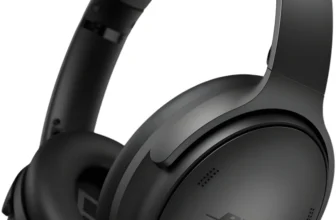
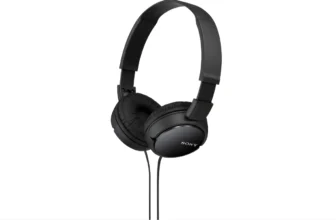
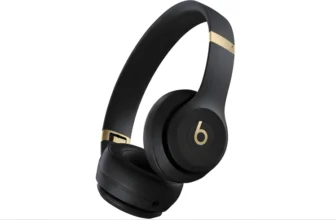
Over-ear gear (commonly called headphones) uses cushioned pads that rest on or around the ear. They’ve been a staple for studios, gamers, and serious listeners for decades.

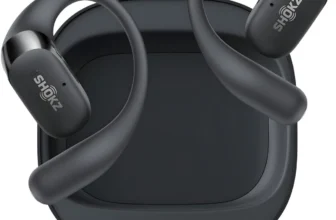
In-ear devices (often called earbuds or just “wireless sets”) slide into the ear canal. Most newer ones are cordless, connecting over Bluetooth, andinclude charging cases.
The main distinction is obvious: size and how they deliver sound. One surrounds the listener, the other inserts closer inside.
Audio Quality Compared
Let’s start with what most people care about first: sound.
- Large models: With bigger drivers, they produce deeper bass and broader soundstage. Orchestral music, gaming environments, and live recordings feel more spacious.
- Compact designs: Modern technology has narrowed the gap. Some premium models deliver surprising clarity. But physics still gives larger cups an edge for detail and depth.
Noise cancellation is also a factor. Over-ear options generally offer stronger active noise reduction. In-ear designs block sound by sealing the canal and using digital processing. Both work, but personal comfort varies.
Takeaway: For immersive listening, larger gear still dominates. For podcasts, casual tunes, and commutes, small devices perform more than well enough.
Audio Quality Compared: Are Headphones Better Than Earbuds?
Comfort isn’t one-size-fits-all.
- Full-size cushions: They spread weight around the head and are ideal for long sessions. The downside? They trap heat, especially in summer.
- Compact inserts: They feel light and nearly invisible. But prolonged use can cause canal pressure or slight irritation for some.
If you’re gaming or working from home, larger models make sense. For gym sessions or walks, lightweight options win.
Portability and Convenience
This category isn’t much of a contest. Small devices are the clear winner in portability. Slip them into a pocket, carry the charging case, and you’re set.
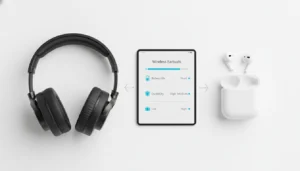
Bigger gear, even when foldable, requires bag space. On the other hand, they often last longer per charge. Some over-ear designs push 40 hours of playback, while compact ones typically handle 6–10 hours before needing a recharge. The case helps, but you’ll still be charging more often.
Price and Value: Are headphones better than earbuds?
Both categories cover a wide range.
- Small devices: Entry-level starts under $30, while premium models with ANC cost $200+.
- Large designs: Similar spread, but you often get better sound quality at midrange prices.
Think about what matters most. Is it deep, detailed sound for focused listening? Or is it the freedom of carrying audio gear everywhere with no extra weight?
Durability and Longevity
This is where larger models usually win. Replaceable pads, sturdy bands, and serviceable parts give them longer lifespans.
Tiny models are more vulnerable. If a battery fails, replacement is often impossible. Dropping one on concrete can end its life instantly. That said, sport-ready options are sweat-proof and built to survive workouts.
Rule of thumb: If durability matters, bigger sets are a safer investment. If portability and sweat resistance matter more, compact options fit the role.
Hearing Health and Safety
Hearing is precious, and both types can damage it if misused.
In-ear models push sound closer to the eardrum, sometimes tempting users to raise volume in noisy spaces. Over-ear gear sits further away but can still create harmful pressure.
Health-friendly practices:
- Stick to 60% volume or less.
- Limit long listening sessions.
- Use noise cancellation to avoid blasting volume in crowded places.
Use Cases by Lifestyle
Different scenarios demand different solutions:
- Gaming: Large cups offer positional accuracy and richer sound.
- Workouts: Compact devices are light, sweat-proof, and secure.
- Remote work: Large ones block distractions, while small ones look less intrusive in meetings.
- Travel: Pocket-sized options win for quick removal during security checks or chats.
- At home: Full-size cushions bring comfort and cinema-like immersion.
Are Wireless Devices Safe?
Many professionals worry about radiation exposure. The truth: Bluetooth emits very low-power radio signals. These are far weaker than what your smartphone uses for mobile data.
Scientific studies, including guidance from health authorities, show no evidence of risk at everyday exposure levels.
Still, if you want to be cautious:
- Alternate with wired gear.
- Limit non-essential wireless use.
- Store devices away from your body when not in use.
For daily listening, wireless gear is considered safe.
Bluetooth 5.3 vs 5.4 Explained
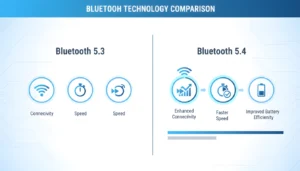
Connectivity matters as much as sound today. Here’s how the latest versions compare:
- 5.3: Improves stability and energy efficiency. Supported by most new phones and laptops.
- 5.4: Adds features useful for smart devices, including better broadcasting functions. Not yet widely adopted in audio products.
For your playlist or Zoom calls, both work nearly the same. The future benefits of 5.4 will show more in smart homes than in music listening.
Practical Buying Tips
Beyond specs and marketing claims, here are real-world points to consider:
- Microphone performance: If calls are a priority, test the mic. Some tiny sets outperform bulkier models.
- Weight and pressure: Long listening sessions reveal how heavy gear feels, not just the first five minutes.
- Controls: Physical buttons on larger sets may be easier than tiny touch panels on compact ones.
- Ecosystem fit: Some devices work better with certain platforms. Apple’s gear pairs best with iPhones, while others are cross-compatible.
- Repairability: If sustainability matters, choose something with replaceable parts.
Lifestyle Examples
- Corporate worker: Long Zoom calls and focus time. Over-ear models help by reducing distractions, while tiny sets are handy for quick commutes.
- Fitness enthusiast: Secure fit and sweat resistance trump everything. Compact sport models win here.
- Frequent traveler: Portability rules. Quick pocket storage beats carrying bulky gear around airports.
- Audiophile: No question — large drivers, open-back designs, and wired connections deliver superior audio.
Verdict: Which One Wins?
So, are large over-ear models better than compact in-ear alternatives? It depends entirely on your lifestyle.
- For rich, detailed audio and comfort during long sessions, bigger gear takes the crown.
- For workouts, commuting, and convenience, compact sets shine.
If budget allows, owning both makes sense. Just like sneakers and dress shoes serve different purposes, so do these two categories.
FAQs
Q1. Do larger models protect hearing better?
Not automatically. Safe volume levels matter more.
Q2. Which lasts longer?
Bigger designs usually outlive smaller ones because parts can be replaced.
Q3. Is Bluetooth safe?
Yes. It operates at very low power and is considered safe by health authorities.
Q4. Which Bluetooth version should I look for now?
5.3 is reliable today. 5.4 may matter more once more devices support it.
Q5. What’s better for calls?
Some small sets have advanced microphones, while premium larger models also do well.
Summary

So, when people ask are headphones better than earbuds? the real answer depends on lifestyle not just specs.
Both categories excel in different ways. Larger models deliver immersive audio, comfort, and durability. Compact sets dominate in portability, workouts, and quick daily use.
Wireless gear is safe for everyday use, and Bluetooth 5.3 already offers everything most listeners need. The newer 5.4 standard is more about future smart device integration than music right now.
The smart move is choosing what fits your habits. At home and at work, full-size cushions shine. On the move, pocket-friendly sets win. The right answer is not about specs alone — it’s about how you live.