Best airplane headphones

Flying puts audio to the test. I’ve learned that the cabin environment changes everything—from how sound behaves to how long something stays comfortable on my head. A setup that feels great at home can feel distracting or tiring once the engines settle into their steady hum.
Over time, I’ve stopped chasing flashy features. What works in the air is simple, predictable, and easy to live with for hours. This guide explains how to choose the right listening gear for flights, based on real use rather than marketing promises.
Before diving in, here’s a quick overview of what I’ll cover.

What This Guide Explains
- Why aircraft cabins affect sound and listening fatigue
- Which styles work best during long trips
- How sound reduction helps without killing clarity
- What long-session wear actually feels like
- Travel habits that improve audio quality
- Mistakes I see flyers repeat
Why Airplanes Are a Unique Audio Environment

Aircraft cabins produce a steady, low-frequency background hum. It doesn’t spike or fade. It stays. This constant layer makes music feel thinner and voices harder to follow.
Raising volume rarely fixes that. It usually creates listening fatigue instead.
Pressure changes also affect how ears respond over time. Sounds that feel balanced early on can feel sharp later. This is why clarity becomes more important than power during long trips.
Space adds another challenge. Sitting upright for hours means even small pressure points grow noticeable. That’s when design matters more than specs.
I’ve had flights where sound quality was fine, but wearability ruined the experience. That taught me a simple lesson: if I keep adjusting something, it’s not right for flying.
What Really Matters for In-Flight Listening

Sound Reduction Over Loudness
Active sound reduction works best against steady backgrounds. That makes aircraft cabins a perfect use case. It lowers the constant hum so music and dialogue don’t have to fight for space.
This is why many travelers look for the best noise cancelling headphones for airplane use specifically. The goal isn’t silence. It’s reduced strain.
Long-Hour Wearability
Soft padding helps, but balance matters more. Even pressure across the head reduces hotspots. Lightweight designs help prevent neck fatigue.
If I forget I’m wearing something, it’s doing its job.
Battery Reliability
Flights don’t care about charging schedules. I prefer gear that lasts through an entire journey without thinking about power.
Quick charging is helpful, but consistency matters more.
Simple Connectivity
Seatback systems still rely on cables. Wireless is convenient, but wired support avoids frustration and saves battery life.
I always pack a short cable. It’s boring. It works.
Common Listening Styles You’ll See on Flights

Over-Ear Designs
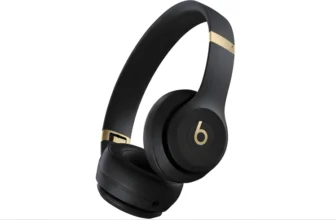
This style dominates air travel for a reason. Larger ear cups help block outside sound and distribute pressure evenly.
They take up more space, but for long-haul trips, they often provide the smoothest experience. Many travelers consider this category the best headphones for flying because it balances isolation and wearability.
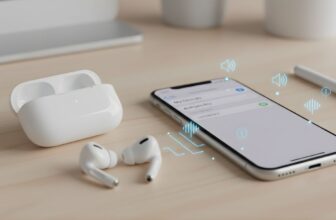
In-Ear Options
Smaller and easier to pack, in-ear designs work well for shorter trips. Fit becomes critical here. Poor fit reduces clarity and effectiveness.
I treat these as a secondary option rather than my main travel setup.
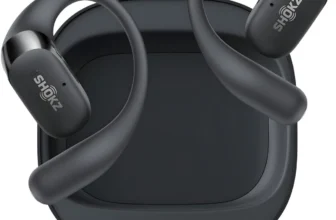
Open-Ear Styles and Air Travel
Open designs shine in daily life, especially for awareness. In aircraft cabins, awareness isn’t helpful.
The surrounding sound easily overwhelms this style. That’s why I usually suggest open designs for daily use instead. I explain their strengths in detail in my guide on Best Open Ear Headphone for readers who want comfort outside flights.
How Sound Reduction Helps Without Ruining Audio

Good sound reduction lowers constant background layers while keeping voices natural. Poor implementation can make audio feel hollow or artificial.
I prefer systems that reduce the cabin hum without overprocessing everything else. Balance matters.
This is why people searching for the best noise canceling headphones for airplane environments should focus on consistency rather than extreme claims.
Too much processing can feel unnatural over time.
Why Wearability Is a Long-Term Test
Comfort doesn’t reveal itself in minutes. It shows up after hours.
Headband pressure, ear cup depth, and heat buildup all matter. Glasses add another variable.
I test any travel gear at home for at least an hour. If something feels slightly off early, it won’t improve mid-flight.
Materials also matter. Breathable padding reduces heat buildup during long sessions.
Sound Quality Expectations in the Air

Aircraft cabins change how sound feels. Bass loses impact. High tones can feel sharp.
Clear mid-range matters most. That’s where voices and dialogue live.
I don’t chase heavy bass when flying. Clean, balanced tuning reduces fatigue.
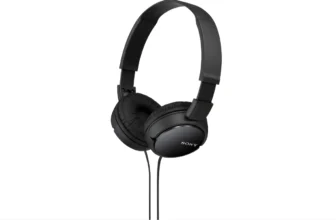
Studio-focused tuning often helps here. I discussed this approach in my article on Sony Studio Series Headphones, where clarity matters more than exaggeration.
Is Premium Gear Necessary for Flights?
Sometimes. Not always.
Frequent flyers benefit more from reliable sound reduction and long-session wearability. Occasional travelers can do well with mid-range options.
I don’t believe price guarantees a better experience. Fit, balance, and simplicity matter more.
Extra features often go unused in the air.
Matching Travel Style to the Right Setup
Instead of ranking endless models, I prefer matching styles to habits.
- Long international trips: over-ear designs with sound reduction
- Short domestic flights: compact in-ear options
- Minimal carry-on travelers: lightweight wired setups
- Office and daily movement: open designs
This approach helps people choose the best headphones for travel based on real use rather than marketing.
The Role of Cables and Adapters
Wireless convenience disappears when seatback screens enter the picture.
A simple cable keeps things working. An adapter solves compatibility issues.
I keep both in my bag. They weigh almost nothing and remove stress.
Common Travel Audio Mistakes I See
Turning Volume Too High
Higher volume doesn’t beat background hum. It increases fatigue.
Reducing the background layer works better.
Ignoring Fit
Fit affects clarity, stability, and wearability. This matters more than brand.
Choosing Style Over Practicality
Sleek designs don’t always perform well during long sessions.
Forgetting Battery Limits
Long flights don’t pause for charging.
Small Habits That Improve In-Flight Audio
- Activate sound reduction before takeoff
- Keep volume moderate
- Use wired mode when possible
- Clean pads and tips regularly
- Download content ahead of time
Simple habits prevent small annoyances from stacking up.
Calls, Movies, and Podcasts in the Air

Movies need clear dialogue. Podcasts need steady mids. Music needs balance.
I adjust expectations based on content. Spoken audio benefits most from reduced background hum.
Some listening setups handle dialogue better than music. That’s fine. Matching use matters.
Travel Fatigue and Listening Breaks
Listening fatigue builds quietly. Even good gear benefits from breaks.
I remove my setup during meals and announcements. Short pauses help ears reset.
Silence matters too.
What I Look for Before Packing
Before a flight, I ask myself a few questions:
- Will this stay comfortable for hours?
- Can it connect to seatback systems?
- Will the battery last the entire trip?
- Does it reduce background hum effectively?
If the answer is yes, I’m set.
Final Thoughts
Flying challenges both sound and patience. The right listening setup reduces friction rather than chasing perfection.
For many travelers, the best noise-cancelling headphones for airplane use are the ones that disappear once worn. No constant adjustments. No distraction.
I focus on reliability first, balance second, and extras last. That approach has worked well across many flights.
If something helps me relax and forget about the cabin around me, it’s doing exactly what I need.